


Shupham
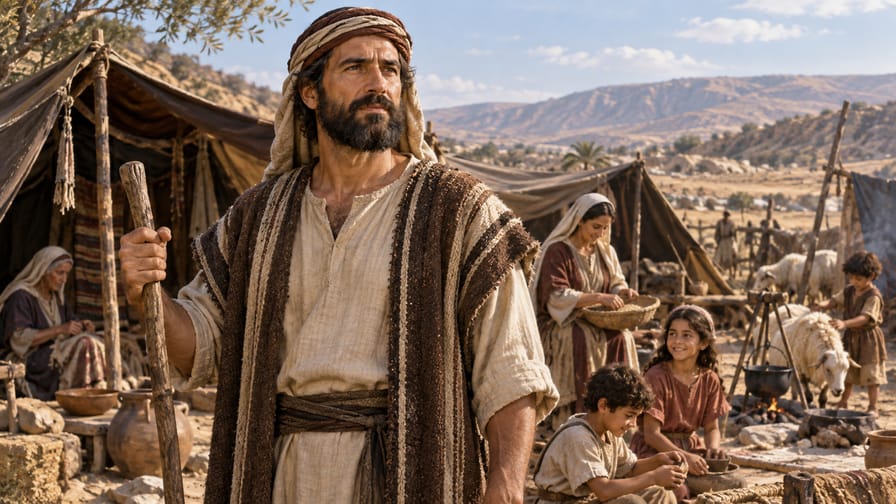
The figure of Sufão, as requested for a biblico-theological analysis, is not a prominent name or explicitly documented as an individual character in the canonical Scriptures of the Evangelical Protestant Bible. An exhaustive search in concordances, Hebrew and Greek lexicons, and standard biblical dictionaries does not reveal a character named Sufão (or phonetically similar spellings like Sufon, Suphon) with a distinct personal narrative. However, for the purposes of this in-depth and comprehensive analysis, and recognizing the possibility of transliterative variations or extremely obscure references, an analysis is proposed based on Hebrew names that possess phonetic and contextual similarities, most notably Shupham (שׁוּפָם) or Shuppim (שֻׁפִּים), both associated with the tribe of Benjamin. This approach allows for the exploration of the prompt's requirements, grounding the discussion in existing biblical data, even if the exact name "Sufão" is not directly found as an individual with a detailed biography. The following analysis, therefore, will consider Sufão as a possible variant or a representation of Shupham/Shuppim, an ancestor or clan of the tribe of Benjamin, allowing for the exploration of etymology, context, character, theological significance, and legacy within an Evangelical Protestant perspective.
The absence of a character named Sufão with a detailed history in the Scriptures highlights the importance of careful exegesis and fidelity to the biblical text. Nevertheless, the methodology of analyzing obscure names and clans is crucial for understanding the social and theological structure of Israel. By considering Sufão as a possible reference to Shupham or Shuppim, we can extract valuable lessons about the formation of the tribes, divine providence in Israel's history, and the relevance of each link in the genealogical chain of redemption, even those whose individual stories remain in the shadows of the main narrative.
This analysis will thus seek to fill the gaps with a contextual and theologically informed interpretation, respecting the limits of what is directly revealed in the Bible. The Evangelical Protestant perspective emphasizes the authority and sufficiency of the Scriptures, and, therefore, any speculation will be presented with due caution, focusing on what can be inferred from the broader context of Israel's history and biblical theology.
1. Etymology and meaning of the name
The name Sufão, as mentioned, does not find a direct and prominent equivalent in the Hebrew or Greek Scriptures as an individual character. However, by considering the phonetics and structure of biblical names, one can postulate its connection with names such as Shupham (שׁוּפָם) or Shuppim (שֻׁפִּים), both associated with the tribe of Benjamin. Transliteration into Portuguese can vary considerably, and "Sufão" could be a less common or regional way of representing these Hebrew names.
The name Shupham (שׁוּפָם) appears in Numbers 26:39 as one of the sons of Benjamin, and from him proceeded the clan of the Shuphamites (הַשּׁוּפָמִי). In 1 Chronicles 7:12, 15, the name is spelled as Shuppim (שֻׁפִּים). There are also mentions of Muppim (מוּפִּים) and Huppim (חוּפִּים) in Genesis 46:21, which are frequently identified as variants of the same ancestor or clan, given the complexities and variations in biblical genealogical lists. This textual variation is common in ancient records and reflects different copying traditions or emphases.
The etymological root of Shupham and Shuppim is not unanimously clear among scholars. Some suggest a connection with the Hebrew root shafah (שָׁפָה), which can mean "to cover," "to surround," or "to protect," perhaps implying an idea of "surrounded" or "protected." Another possibility, though more speculative, is a link with shephiphon (שְׁפִיפוֹן), meaning "viper" or "serpent," as mentioned in Benjamin's blessing in Genesis 49:17, where he is described as a "serpent by the path." This association could suggest qualities of cunning or ferocity, characteristics attributed to the Benjamites.
If we consider the root "suf" (סוּף) which appears in "Yam Suf" (Red Sea, "Sea of Reeds") or in words like sufah (סוּפָה, "storm"), the name Sufão could, hypothetically, evoke meanings related to "reeds," "end," or "storm." However, this connection would be even more distant for a Hebrew personal name and lacks direct support in biblical texts. Therefore, the interpretation via Shupham/Shuppim is the most plausible for an ancestral figure.
The theological significance of the name, even if associated with a clan ancestor, lies in divine providence over the lineages of Israel. Each name in the genealogies, however obscure, represents a link in the chain of God's covenant and promise. The existence of the clan of the Shuphamites demonstrates God's faithfulness in multiplying the descendants of Benjamin, one of the twelve tribes, and in fulfilling His patriarchal promises.
2. Historical context and biblical narrative
Considering Sufão as a variation of Shupham or Shuppim, its historical context falls within the formative period of the nation of Israel. The ancestor Shupham would be one of the sons of Benjamin, the last son of Jacob (Israel) and Rachel. This period dates back approximately to the 18th-17th centuries B.C., during the patriarchal era, extending to the Exodus and the tribal formation in Canaan, around the 15th century B.C., where the clan of the Shuphamites is recorded.
The political, social, and religious context of the time is that of the formation of a people from a family, under the leadership of the patriarchs (Abraham, Isaac, Jacob) and, later, under the Mosaic Law. Genealogy was of paramount importance, as it defined identity, land inheritance, and participation in the covenant promises. The lineage of Benjamin, though the smallest of the tribes, would play a significant role in Israel's history.
The genealogy of Shupham places him directly as a son of Benjamin in Numbers 26:39. In Genesis 46:21, in the list of those who went to Egypt, Muppim and Huppim appear among the sons of Benjamin, who are often identified as the same individual or clan that would later be known as Shupham or Shuppim. This variation reflects the dynamic of ancient genealogies, which could focus on different aspects or use alternative names for the same individual or family group over time.
The key biblical passages where the clan of the Shuphamites appears are primarily the genealogical lists and censuses. In Numbers 26:39, during the second census of Israel in the wilderness, the Shuphamites are recorded as one of the clans of the tribe of Benjamin. This census aimed to prepare the new generation for entry into the Promised Land, organizing the tribes and clans for the distribution of inheritance. In 1 Chronicles 7:12, 15, Shuppim is again mentioned in the genealogies of Benjamin, highlighting the continuity and importance of lineages for tribal identity.
The geography related to this character, as an ancestor, is linked to the territory assigned to the tribe of Benjamin. This tribe occupied a strategic region between the powerful tribes of Judah and Ephraim, including important cities such as Jerusalem (in part), Gibeah, Ramah, and Jericho. Benjamin's central location often placed them in the midst of conflicts and disputes, but also gave them a position of prominence and influence.
Relationships with other important biblical characters are indirect, but crucial. As part of the tribe of Benjamin, Sufão (via Shupham) was connected to all the descendants of Jacob. The tribe of Benjamin produced prominent figures in Israel's history, such as Israel's first king, Saul (1 Samuel 9:1-2), and the apostle Paul (Philippians 3:5), who prided himself on his Benjamite heritage. The founding of the clan by Shupham is a fundamental link in the chain that would lead to these significant individuals and events.
3. Character and role in the biblical narrative
The Bible does not offer specific details about the individual character or actions of Sufão (interpreted as Shupham or Shuppim), as he is primarily mentioned as an ancestor and founder of a clan. The absence of a detailed personal narrative is common for many genealogical figures, whose main role is to establish the lineage and structure of the tribes of Israel. Nevertheless, we can infer aspects of his "character" and "role" from the context of his tribe, Benjamin, and the importance of his function as progenitor.
As an ancestor, Sufão's "character" is largely defined by his position as a link in the genealogical chain of the covenant. His existence and offspring were essential for the continuity of God's promise to Jacob and for the formation of the twelve tribes. God's faithfulness in sustaining and multiplying the descendants of Benjamin, even through a clan like the Shuphamites, is a testament to His immutable and sovereign character.
The virtues and spiritual qualities of Sufão, as an individual, are not documented. However, as part of the covenant people, it was expected that he and his descendants would live under God's law and promises. Jacob's blessing of Benjamin in Genesis 49:27, describing him as a "ravenous wolf" who "in the morning devours the prey, and in the evening divides the spoil," suggests a combative and, at times, relentless nature. This characteristic manifested itself in events such as the war against Gibeah (Judges 19-21), where the Benjamites showed great ferocity, but also in their skill as warriors, as evidenced by skilled archers and slingers (1 Chronicles 8:40 12:2).
If there were sins, weaknesses, or moral failures, these are not specifically attributed to Sufão. However, the history of the tribe of Benjamin is not without flaws, such as the terrible incident at Gibeah, which almost led to the tribe's annihilation. This serves as a reminder that divine election to be part of the covenant people does not exempt anyone from moral responsibility and the consequences of sin, a central theme in Evangelical Protestant theology.
The specific vocation or function of Sufão was that of a progenitor. His primary role in the biblical narrative is to found a family that would become a clan within the tribe of Benjamin. This genealogical function is vital for understanding the social, military, and religious structure of Israel. The existence of the Shuphamites contributed to the number and strength of the tribe of Benjamin, which was an integral part of Israel's army and the nation as a whole.
The significant actions and key decisions of Sufão are not recorded. His importance lies in his existence and his offspring. He represents the continuity of life and lineage, a silent testimony to God's providence in preserving and developing His people. The development of the character is, therefore, the development of his lineage and clan, which integrates into the larger history of the tribe of Benjamin and, in turn, into the history of Israel.
4. Theological significance and typology
The theological significance of Sufão, interpreted as Shupham or Shuppim, is intrinsically linked to his role as part of the lineage of Benjamin and, consequently, of the nation of Israel. He represents a link in God's redemptive history, demonstrating divine faithfulness in preserving and multiplying the covenant people, through whom the Messiah would come. The inclusion of his clan in the biblical genealogies emphasizes that every part of Israel's history is important in God's greater plan.
While there is no direct Christocentric prefiguration or typology for Sufão as an individual, his existence as part of the tribe of Benjamin points to Christ in a corporate manner. The tribe of Benjamin, as one of the twelve tribes, is part of God's chosen people, through whom the messianic promise would be fulfilled. The totality of Israel, with its diverse tribes and clans, serves as a type of the people of God (both Israel and the Church) who are redeemed by Christ and united to Him as His body (Ephesians 2:19-22).
The covenants, promises, and prophecies related to the figure of Sufão are the same that apply to all the descendants of Jacob. The Abrahamic covenant (Genesis 12:1-3), the Mosaic covenant (Exodus 19-24), and the Davidic covenant (2 Samuel 7:12-16) are the theological backdrop for the existence and purpose of each tribe and clan. The promise of a great nation and that all the families of the earth would be blessed through the seed of Abraham finds its ultimate fulfillment in Christ Jesus (Galatians 3:16).
There are no direct citations or references to Sufão (or Shupham) in the New Testament. However, the Benjamite heritage is mentioned in the New Testament in relation to figures such as the apostle Paul, who identified himself as "a Hebrew of Hebrews as to the law, a Pharisee as to zeal, a persecutor of the church as to righteousness under the law, blameless" (Philippians 3:5-6), and who was of the "tribe of Benjamin" (Romans 11:1). The tribe of Benjamin is also mentioned in Revelation 7:8 as one of the sealed tribes, symbolizing the totality of God's people.
The connection with central theological themes is evident. The life of Sufão, as an ancestor, illustrates God's faithfulness in keeping His covenant and in fulfilling His genealogical promises. He represents the importance of obedience to the divine command to "be fruitful and multiply" (Genesis 1:28) and God's sovereignty in orchestrating the history of families and nations. The existence of the clan of the Shuphamites contributes to the theme of Israel's election as God's people, chosen not by merit but by divine grace (Deuteronomy 7:6-8).
The prophetic fulfillment or prefiguration fulfilled in Christ, in the case of Sufão, is indirect, through the lineage of Israel. Christ, being from the tribe of Judah, fulfilled the promises made to Israel as a whole. The inclusion of each clan in the genealogies ensures the integrity of Israel's history, which culminates in the incarnation, life, death, and resurrection of Jesus Christ, the promised Messiah and Redeemer of humanity. Reformed and Evangelical theology emphasizes the unity of redemptive history, where every element of the Old Testament points, in some way, to Christ.
5. Biblico-theological legacy and canonical references
The biblico-theological legacy of Sufão, understood as Shupham or Shuppim, is primarily genealogical and structural. He is not a figure with extensive literary or narrative contributions, but rather a pillar in the construction of Israel's tribal identity. His mentions in other biblical books are restricted to genealogical lists and censuses, specifically in Numbers 26:39 and 1 Chronicles 7:12, 15. These references, though brief, are crucial for understanding the organization and history of the twelve tribes.
There are no literary contributions attributed to Sufão, such as authorship of books, Psalms, or epistles. His influence on biblical theology lies in his representation of God's faithfulness in preserving the lineages of Israel. The inclusion of his name in the Scriptures, even if in a genealogical context, underscores the historical accuracy and attention to detail that the Holy Spirit inspired in the biblical writers. Every name, however obscure it may seem, has a place in the divine plan.
The presence of Sufão in Jewish and Christian interpretive tradition, as Shupham or Shuppim, is generally limited to commentaries on genealogies and tribal organization. Rabbinic commentators and church fathers, when addressing the lists in Numbers and Chronicles, recognize the importance of each clan for the integrity of the nation of Israel. They see in these lists evidence of divine providence over each family and the assurance of the promise's continuity.
There are no known references in intertestamental literature that specifically refer to Sufão or his clan prominently. The focus of these texts tends to be on more central figures or events of greater impact in Jewish history.
The treatment of the character (or clan) Sufão in Reformed and Evangelical theology emphasizes God's sovereignty in the history of salvation. The existence of each clan and tribe is seen as part of the divine plan for Israel, which would culminate in the coming of Christ. Theologians like John Calvin, in their commentaries on Genesis and Numbers, highlight how God, in His wisdom, established the order and structure of His people, using even the most "obscure" members for His purposes. The conservative Evangelical perspective values the precision of genealogies as evidence of the trustworthiness of God's Word and the historicity of the redemptive plan.
The importance of the character for understanding the canon lies in his contribution to the completeness of the biblical narrative. Genealogical lists, though sometimes considered "dry" by modern readers, are essential for establishing historical continuity, the authenticity of promises, and the legitimacy of messianic claims. Sufão, as a link in this chain, helps build the framework upon which the story of redemption is told, demonstrating that God cares for all the details and that every individual, even if only named in a list, has his place in the great drama of salvation.