


Eliezer
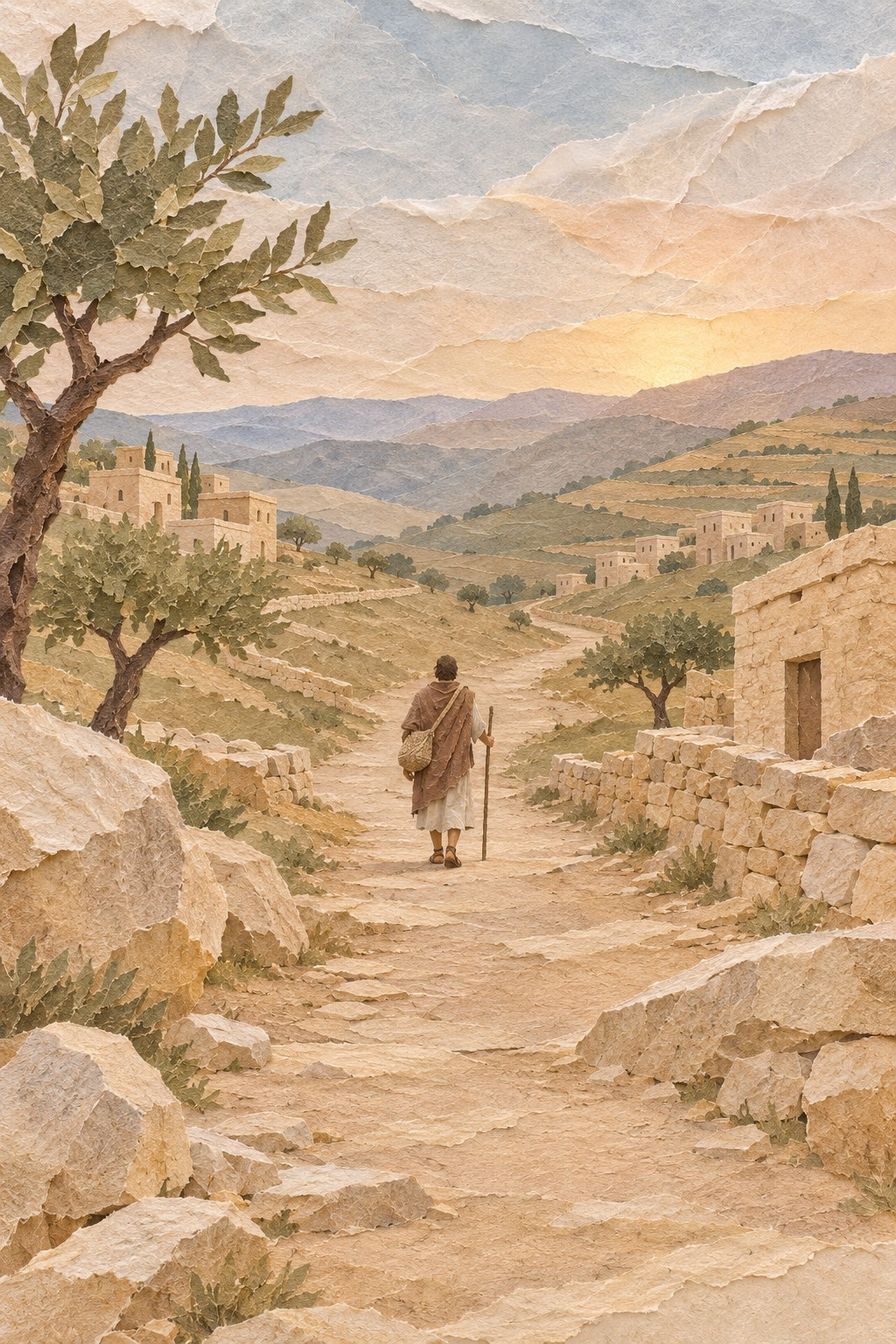
Eliezer of Damascus is named in Genesis 15:2 as the man who would inherit Abram’s household while Abram remained childless. Tradition identifies him with the elderly servant sent to find a wife for Isaac in Genesis 24, but that chapter does not name the servant.
1. Etymology and meaning of the name
The name Eliezer means ‘God is help’. Exodus 18:4 explains the name of another Eliezer, Moses’ son, by recalling the help God gave Moses. This namesake must be distinguished from Eliezer of Damascus.
2. Historical context and biblical narrative
In Genesis 15:2-3, Abram voices his concern about having no child and a member of his household becoming his heir. Genesis 24 describes a later mission: Abraham entrusts his oldest servant with finding a wife for Isaac among his relatives. The connection between the two men is a traditional identification, not an explicit statement in the narrative.
And Abram said, Lord God, what wilt thou give me, seeing I go childless, and the steward of my house is this Eliezer of Damascus? (Genesis 15:2)
3. Character and role in the biblical narrative
The servant in Genesis 24 prays for guidance, meets Rebekah, explains his mission to her family and returns with her. His prayer, diligence and obedience illustrate faithful service. These actions belong to the unnamed servant; attributing them personally to Eliezer depends on accepting the traditional identification.
And the man bowed down his head, and worshipped the Lord. (Genesis 24:26)
4. Theological significance and typology
Christian interpretation has compared the servant sent by Abraham to seek a bride for Isaac with the Holy Spirit preparing the Church for Christ. This typology is an interpretive comparison, not an explicit identification made by Genesis. The account also illustrates God’s sovereignty, providence and response to prayer: Rebekah’s family recognizes the Lord’s direction (Genesis 24:50).
And he said unto me, The Lord, before whom I walk, will send his angel with thee, and prosper thy way; and thou shalt take a wife for my son of my kindred, and of my father's house: (Genesis 24:40)
5. Biblical-theological legacy and canonical references
Genesis 15:2-3 is the direct reference to Eliezer of Damascus. Genesis 24 is the account of the unnamed servant and Rebekah. Keeping these references distinct preserves both the biblical narrative and the limits of the traditional identification.