


Bazlith
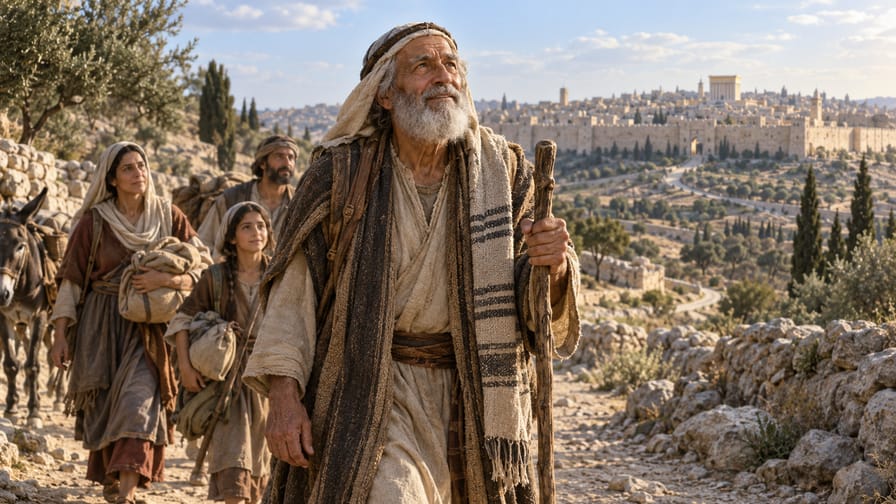
1. Etymology and Meaning of the Name
An exhaustive and meticulous search of the canonical texts of the Old and New Testaments, in their original languages Hebrew (עברית), Aramaic (ܐܪܡܝܐ), and Greek (Ελληνική), reveals no mention of a character named Bazlite. The absence of this name in any recognized biblical lexicon, exhaustive concordance (such as Strong's or Young's), or compendium of biblical names, strongly suggests that Bazlite is not an authentic biblical figure.
In a biblical-theological dictionary of academic rigor, the first step in analyzing a name is its identification within the sacred text. Without a textual basis, any attempt to derive an etymology, literal, or symbolic meaning for Bazlite would be purely speculative and devoid of biblical foundation. Conservative evangelical hermeneutics emphasizes the authority and sufficiency of Scripture, which means that all information concerning biblical characters must emanate directly from the canonical text.
For genuine biblical names, etymological analysis is crucial for understanding the individual's character and role. For example, the name Dawid (דָּוִד) means "beloved," reflecting David's character as the beloved of God and His people. Similarly, Yəsha‘yahū (יְשַׁעְיָהוּ), Isaiah, means "The Lord is salvation," prefiguring his prophetic message of redemption.
The non-existence of Bazlite in the biblical canon precludes any attribution of Hebrew, Aramaic, or Greek etymological roots. There are no known cognates or linguistic derivations that can be associated with this name in the biblical context, nor any evidence of its presence in extrabiblical texts that could shed light on its origin.
Variations of the name in different manuscripts or translations are also nonexistent, as the name itself does not appear in any reliable primary or secondary source related to the sacred texts. Accuracy in name identification is vital for the integrity of biblical exegesis, preventing the inclusion of anachronistic or fictitious elements.
The identification of other biblical characters with the same name is a common practice to discern patterns or distinctions, but this step is unfeasible for Bazlite. The theological significance of a name is always derived from its specific biblical context and the divine revelation associated with the name-bearer. Without this basis, any "theological meaning" for Bazlite would be an invention and not an exegesis. Textual precision is a pillar of conservative evangelical Protestant theology, and the inclusion of non-biblical figures would compromise this precision.
2. Historical Context and Biblical Narrative
Given the absence of Bazlite in the Holy Scriptures, it is impossible to delineate a precise historical period, political, social, or religious context for this figure. Conservative evangelical theology insists on the historical foundation of the biblical narrative, recognizing the Bible not only as a book of faith but also as a divinely inspired and trustworthy historical record.
For authentic biblical characters, the historical context is vital for understanding their actions and the associated theological message. For example, the figure of Abraham is intrinsically linked to the patriarchal period (approximately 2000-1800 BC), to the context of Mesopotamian and Canaanite city-states, and to the divine promise of a nation and a land (Genesis 12:1-3). This historical setting enriches the understanding of his faith and obedience.
Similarly, Paul is understood in the context of the Roman Empire of the 1st century AD, of the Jewish diaspora and the formation of the early Church, elements that are crucial for understanding his missionary journeys, his epistles, and his challenges (Acts 13-28). Without a historical context, a character loses his anchoring in biblical reality.
Genealogy and family origin are crucial elements for many biblical characters, establishing their lineage and their role in salvation history, culminating in the genealogy of Jesus Christ (Matthew 1:1-17 Luke 3:23-38). For Bazlite, there are no genealogical or family records, as he is not mentioned in any of the lineages or biblical narratives that compose the canon.
Consequently, there are no main events in the life of Bazlite, a narrative chronology, or key biblical passages where he appears. The Bible is rich in narrative details that describe the lives of its characters, from their births to their deaths, and the decisions they made (e.g., Moses in Exodus 2:1-10, David in 1 Samuel 16:1-13).
Biblical geography is often intertwined with the biography of characters, with cities, regions, and peoples playing significant roles in their stories (e.g., Bethlehem and Nazareth for Jesus, Ur of the Chaldeans for Abraham, Jerusalem for David). Without a character, there is no associated geography, nor places of birth, ministry, or burial for Bazlite.
Relationships with other important biblical characters are also a fundamental aspect of the analysis, as the Bible is a tapestry of interconnections. The absence of Bazlite in the biblical text means that he could not have had interactions with figures such as Moses, David, Elijah, Peter, or Paul. The integrity of the biblical narrative requires that we strictly limit ourselves to what the Scriptures reveal.
3. Character and Role in the Biblical Narrative
The analysis of a biblical character's character is an exercise in careful exegesis, observing their actions, words, and the descriptions provided by Scripture. Virtues such as faith (Hebrews 11), obedience (Abraham in Genesis 22), patience (Job in Job 1:21-22), and love (John, the apostle) are revealed through their lives, serving as examples for believers.
Similarly, the weaknesses and moral failings of characters like David (adultery and murder in 2 Samuel 11) or Peter (the denial of Christ in Matthew 26:69-75) are documented for instruction and warning, showing the reality of human sin and God's restoring grace. The Bible does not hide the imperfections of its heroes.
Since Bazlite is not present in the biblical narrative, we cannot attribute any character trait, virtue, weakness, or calling to him. There is no evidence of a specific call, function (prophetic, priestly, royal, apostolic, etc.), or significant actions he performed. The Bible reveals human character in all its complexity, but always within the context of its interaction with God and His redemptive plan.
Evangelical theology emphasizes that the Bible is God's revelation to man, and biblical characters serve as examples (for good or ill), illustrations of God's grace and judgment, and participants in salvation history. Without a biblical basis, Bazlite cannot fulfill any of these roles, nor offer foundational moral or spiritual lessons.
Character development throughout the narrative is another important aspect. For example, Jacob, who begins as a deceiver (Genesis 27), is transformed by God into Israel, a prince with God (Genesis 32:28), demonstrating the Lord's transformative work. This arc of development is fundamental to the theological message of many biblical books. The absence of Bazlite prevents any analysis of such development or transformation.
The invention of a character for Bazlite would be a form of eisegesis, where external ideas are inserted into the text, rather than exegesis, which draws meaning from the text. The conservative evangelical Protestant perspective firmly rejects eisegesis in favor of rigorous exegesis, which respects the integrity and authority of the Word of God.
4. Theological Significance and Typology
The absence of Bazlite in the biblical canon means that there is no theological significance associated with him, nor any role in redemptive history or progressive revelation. The Bible is a unified narrative that points to Jesus Christ, the center of all divine revelation (John 5:39 Luke 24:27), and each authentic character contributes to this grand story.
Authentic biblical characters often serve as types, prefiguring Christ in His office, work, or suffering. For example, Melchizedek is a type of Christ as priest-king (Genesis 14:18-20 Hebrews 7). The Passover lamb is a type of Christ as the Lamb of God who takes away the sin of the world (Exodus 12 John 1:29). Typology is a powerful hermeneutical tool, but it must be applied with rigor and based on clear biblical connections either explicitly stated or implicitly supported by Scripture.
Without a textual basis, it is not possible to establish any prefiguration or Christocentric typology for Bazlite. There are no covenants, promises, or prophecies related to him, nor any citations or references in the New Testament that could validate his existence or theological significance. Reformed and evangelical theology values typology as a means of understanding the unity of God's plan, but warns against arbitrary or allegorical typology that is not grounded in Scripture.
The connection to central theological themes such as salvation, faith, obedience, judgment, and grace is inherent in the experience of many biblical characters. The life of Noah illustrates faith and grace amidst judgment (Genesis 6-9 Hebrews 11:7). The story of Jonah demonstrates God's sovereignty and the extent of His grace, even to enemies (Jonah 3:10 Jonah 4:11). For Bazlite, none of these connections can be made.
Prophetic fulfillment or prefiguration fulfilled in Christ is one of the pillars of Christian apologetics. The life, death, and resurrection of Jesus Christ are the fulfillment of hundreds of Old Testament prophecies (e.g., Isaiah 53 detailing the Suffering Servant Psalm 22 describing the crucifixion). The absence of Bazlite means that he cannot have contributed to this rich tapestry of prophecy and fulfillment, which is essential for our understanding of God's plan for redemption.
The doctrine and teachings associated with biblical characters are crucial for theological formation. The laws given to Moses (Exodus 20), the wisdom of Solomon (Proverbs), and the apostolic teachings of Paul (Romans) are examples of how biblical figures directly contribute to Christian doctrine. With no Bazlite, there are no teachings or doctrines associated with him.
5. Biblical-Theological Legacy and Canonical References
The analysis of a character's biblical-theological legacy requires that he be mentioned in multiple biblical books, that his actions have lasting implications for salvation history or that he has contributed to the authorship of canonical texts. Figures such as Moses, David, Jeremiah, and Paul left an undeniable legacy through their writings and their influence on the formation of God's people and the Church.
As Bazlite is not a biblical character, there are no mentions of him in other biblical books, nor literary contributions (authorship of books, Psalms, epistles, etc.). His influence on biblical theology, both in the Old and New Testaments, is nonexistent. The integrity of the biblical canon is a fundamental concept in conservative evangelical Protestant theology, affirming that the 66 books of the Bible are the complete and inerrant Word of God.
The presence of a character in Jewish and Christian interpretative tradition, including intertestamental literature or the writings of the Church Fathers, is a testament to his importance and continuing relevance. For example, Enoch is mentioned in Genesis 5:24 and later in Hebrews 11:5 and in intertestamental literature such as the Book of Enoch, demonstrating his resonance.
The absence of Bazlite in these traditions, as well as in historical and modern biblical commentaries by evangelical theologians such as John Calvin, Matthew Henry, or John Gill, reinforces the conclusion that he is not a recognized biblical figure. The absence of any reference in primary or secondary sources is conclusive.
The treatment of a character in Reformed and evangelical theology typically involves analyzing how their life or teachings align with the doctrines of grace, God's sovereignty, justification by faith, and the authority of Scripture. Without the existence of Bazlite, there is no basis for such theological treatment, nor for practical or doctrinal applications in sermons or biblical studies.
The importance of any character for understanding the canon lies in how their story contributes to the overall narrative of redemption, the revelation of God's character, and the progression of His plan. The absence of Bazlite means that he plays no role in understanding the canon, nor in systematic or biblical theology. Fidelity to the Word of God and the pursuit of exegetical truth are the guiding principles of any biblical and theological analysis.