


Abdiel
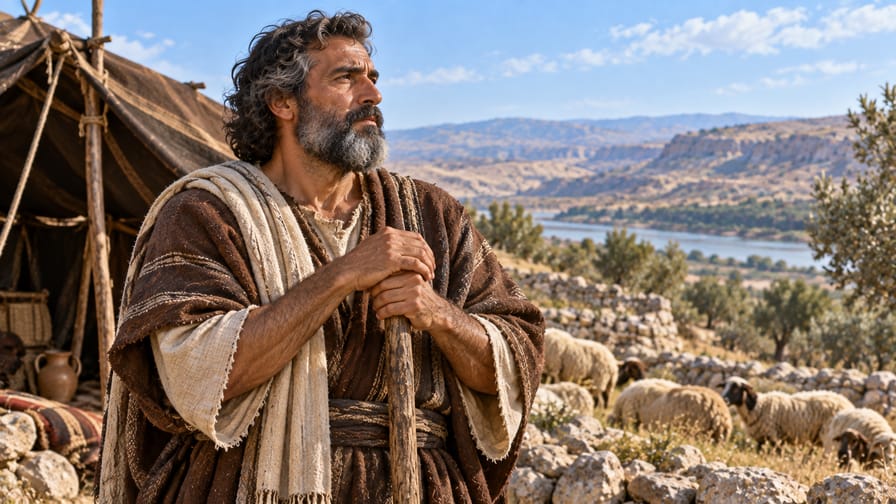
The figure of Abdiel, though briefly mentioned in the Scriptures, offers a rich tapestry for biblical and theological analysis. His solitary appearance in a genealogy in the book of Chronicles does not diminish his importance in the grand panorama of God's redemptive history. On the contrary, his existence and the meaning of his name underscore profound truths about divine sovereignty, election, and the role of each individual, however discreet, in the eternal plan of the Lord. This analysis will delve into his onomastic meaning, historical context, theological relevance, and legacy from a conservative evangelical Protestant perspective.
1. Etymology and meaning of the name
The name Abdiel (Hebrew: עַבְדִּיאֵל, ‘Avdi’el) is a Hebrew theophoric name, composed of two significant parts. The first part, ‘eved (עֶבֶד), means "servant," "slave," or "worshiper." It is a common word in biblical Hebrew, used to describe the relationship of submission and service to an authority, whether human or divine.
The second part of the name is ‘El (אֵל), which is an abbreviated form for God, one of the oldest and most common names for the Deity in the Old Testament. Together, these two parts form the literal meaning of "servant of God" or "my servant is God" (with the possessive suffix implied in the construction). This meaning is deeply theological and resonates with a central theme throughout all of Scripture.
The concept of "servant of God" is prominent in biblical theology, describing figures such as Abraham (*Genesis 26:24*), Moses (*Deuteronomy 34:5*), David (*Psalm 89:3*), and the prophets (*Amos 3:7*). In the New Testament, the apostles identify themselves as servants of Christ (*Romans 1:1* *Philippians 1:1*), and Jesus himself is presented as the supreme Servant of the Lord (*Isaiah 42:1* *Philippians 2:7*).
There are no known variations of the name Abdiel in biblical languages, nor other biblical characters with this exact name. His uniqueness in the genealogical list emphasizes the intrinsic importance of its meaning. The name is not merely a label, but a theological declaration about a person's identity and calling.
The theological significance of the name lies in its declaration of loyalty and submission to God. In a culture where names often reflected hopes, circumstances, or declarations of faith, the name Abdiel proclaimed its bearer's dedication to divine service. For the chronicler, who compiled these genealogies in a post-exilic period, names like this served to remind the community of Israel's identity as God's people and the importance of obedience and service to the Lord.
2. Historical context and biblical narrative
The sole mention of Abdiel in the Scriptures is found in *1 Chronicles 5:15*, within a long genealogical list of the tribe of Gad. The text states: "*Ahi, son of Abdiel, son of Guni, son of Abdi, son of Maluch, son of Hashabiah, son of Michael, son of Zimri, son of Buz*." This passage places him as an ancestor of the tribe of Gad.
The book of 1 Chronicles was largely compiled and written after the Babylonian exile, probably between 450 and 400 B.C. The chronicler aimed to reaffirm Israel's identity as the covenant people, connecting the post-exilic Jews to their historical and theological roots. Genealogies were crucial for this purpose, establishing lineages, land rights, and the continuity of the priesthood and the Davidic monarchy.
The historical period in which Abdiel lived, considering his position in Gad's genealogy, likely dates back to the early centuries of Israel's presence in the land of Canaan, perhaps during the period of the Judges or the early days of the monarchy. His lineage extends for several generations before the chronicler's time, connecting the post-exilic community to their most remote ancestors.
The tribe of Gad, to which Abdiel belonged, was one of the tribes that settled east of the Jordan River, in the lands of Gilead and Bashan (*Numbers 32:33-34* *Joshua 13:24-28*). This region was known for its fertility and for being a frontier area, subject to incursions from neighboring peoples, such as the Ammonites and Arameans. The political and social context was often one of defense and self-sustenance.
The mention of Abdiel, though brief, serves to fill a gap in the understanding of Gad's tribal composition. He is presented as the father of Ahi, a name that also appears in other genealogies with different meanings, but here specifically within the lineage of Gad. His family was part of the tribal structure that contributed to Gad's military strength and collective identity.
The geography associated with the tribe of Gad included cities like Ramoth-Gilead, Jazer, and Aroer, located in strategic and often contested territory. Life in these regions demanded resilience and a strong sense of community. The inclusion of Abdiel in the genealogy reinforces the idea that each link in the family chain was important for the preservation of tribal identity and, by extension, of the nation of Israel.
Abdiel's relationships with other biblical characters are limited to his immediate lineage: he is the son of Guni and the father of Ahi. There are no recorded narrative interactions or specific events in which he participated. His importance lies in his existence as a link in the genealogical chain, which contributes to the continuity and integrity of the history of God's people.
3. Character and role in the biblical narrative
The absence of a detailed narrative about Abdiel's life means that his character is not explicitly described through actions or dialogues. However, the meaning of his name, "servant of God," and the context of his mention in a genealogy, allow for inferences about the qualities that were valued in his lineage and, by extension, in himself.
In a culture that placed great importance on names, it is reasonable to assume that the name Abdiel was a declaration of faith and dedication to God, whether by his parents when naming him or by himself in living according to its meaning. To be a "servant of God" implied a life of obedience, loyalty, and service to the Lord, spiritual qualities highly valued in the Israelite tradition.
There are no records of sins, weaknesses, or moral failings associated with Abdiel. This absence of information can be interpreted in two ways: either his life was exemplary enough not to warrant negative mention, or there are simply no narrative details describing him beyond his genealogical position. For the chronicler's purposes, his function was to be a link in the genealogy, not a protagonist of events.
Abdiel's primary role in the biblical narrative is that of an ancestor. He is a link in the chain of generations of the tribe of Gad, contributing to the continuity of the lineage and the preservation of tribal identity. His specific calling or function is not documented, but as part of a tribe, he would have participated in the communal, military, and religious responsibilities of his time.
In a broader sense, the inclusion of Abdiel in the genealogy of Chronicles highlights God's faithfulness in preserving His people through the generations, even amidst challenges and exiles. Each name in the genealogy, including that of Abdiel, represents a life that contributed to the tapestry of Israel's history, a people chosen and preserved by God to fulfill His redemptive purposes.
Abdiel's significant actions and key decisions are not recorded. His "development" as a character is not observable, as he appears only as a name in a list. However, the simple existence and name of Abdiel remind us that God's history is not made only of great heroes and dramatic events, but also of faithful individuals who, in their discretion, fulfilled their role in the divine plan.
4. Theological significance and typology
Despite his limited mention, the figure of Abdiel, "servant of God," carries profound theological significance in redemptive history. His inclusion in the genealogies of Chronicles underscores God's sovereignty in preserving His people and executing His plans. Each name, however obscure, is a testament to divine faithfulness in upholding the covenants and promises made to the patriarchs.
The theme of the "servant of God" is central to progressive revelation. In the Old Testament, it points to the ideal of an individual totally dedicated to the Lord, embodied in figures such as Moses and David. However, the pinnacle of servant typology is found in Jesus Christ, the Messiah, who is the Suffering Servant of Isaiah (*Isaiah 53:11*) and the obedient Servant who humbled himself to death (*Philippians 2:7-8*).
Although Abdiel is not a direct prefiguration of Christ in the typical sense of an event or institution, his name and the concept of "servant of God" prefigure the nature of Christ as the perfect servant and the calling of all believers to be "servants of God." Abdiel's life, even without details, serves as a reminder that servitude to God is an honor and a privilege, a theme that Christ elevated to its highest expression.
Divine covenants and promises, such as the Abrahamic (*Genesis 12:1-3*), the Mosaic (*Exodus 19:5-6*), and the Davidic (*2 Samuel 7:12-16*), are sustained by God's faithfulness through generations. Abdiel's lineage, as part of the tribe of Gad, is a testament to the preservation of the nation of Israel, the vehicle through which these covenants would be maintained and, ultimately, fulfilled in Christ.
There are no direct quotations or references to Abdiel in the New Testament. However, the concept of servitude to God and to Christ is a pillar of New Testament theology, with the apostles identifying themselves as douloi Christou Iesou (δούλοι Χριστοῦ Ἰησοῦ), "servants of Christ Jesus" (*Romans 1:1*). The name Abdiel echoes this fundamental truth of the Christian faith.
Abdiel's connection to central theological themes is evident. His existence in a genealogy demonstrates God's sovereignty over history and divine election. His identity as "servant of God" connects directly to the doctrine of obedience and faith, which are essential for salvation and the Christian life. He represents the importance of each individual in God's grand plan, even those without a prominent role.
The doctrine and teachings associated with Abdiel, though not explicit in narratives, can be inferred from the purpose of the genealogies in Chronicles. They teach about the importance of the identity of God's people, the continuity of the covenant, divine faithfulness in preserving His promises, and the valuing of each member of the community of faith. The name Abdiel reinforces the idea that true greatness resides in service to God.
5. Biblical-theological legacy and canonical references
Abdiel's legacy, though not manifested through great deeds or writings, is significant in its contribution to the integrity and continuity of the biblical canon. His mention in *1 Chronicles 5:15* is the sole canonical reference to him, making him a discreet, yet not insignificant, character in the vast tapestry of Scripture.
Abdiel's influence on biblical theology lies in the role of genealogies as a whole. Lists of names, such as the one in which Abdiel appears, are crucial for establishing the historicity of the Israelite faith, the basis for the covenant promises, and the lineage that would, ultimately, lead to the Messiah. The chronicler used these lists to solidify the identity of post-exilic Israel and its uninterrupted connection to the covenant past.
In Jewish and Christian interpretive tradition, characters with limited mentions like Abdiel are often seen as symbols of God's faithfulness in preserving His people through the generations. They represent the idea that each link in the genealogical chain, however obscure, is vital for the fulfillment of the divine plan and for the demonstration of God's providence.
Reformed and evangelical theology, with its emphasis on the authority and sufficiency of the Scriptures, considers every word of the Bible as inspired by God (*2 Timothy 3:16*). Thus, even a single name in a genealogy has divine purpose and meaning. Abdiel, as "servant of God," serves as a reminder of the universal calling of all believers to be servants of the Lord.
Abdiel's importance for understanding the canon lies in his contribution to the accuracy and completeness of the biblical record. The genealogies in Chronicles, including the mention of Abdiel, demonstrate God's care in recording the history of His people, not only the great events, but also the details that ensure the continuity of the promise and the messianic hope.
In summary, Abdiel is more than a name in a list he is a testament to God's faithfulness, the importance of divine servitude, and the interconnectedness of all lives in the great redemptive plan. His existence, however briefly recorded, reinforces the evangelical view that every part of Scripture is valuable and points, in some way, to the majesty and sovereignty of our God and Savior, Jesus Christ.